The best solar ground mount system for a high wind region isn’t the one with the longest feature list or the lowest price. It’s the one that can prove, with engineering documentation, that it will stand up to the specific wind load of your site. In a high wind or cyclonic zone, that distinction is the difference between a 25-year asset and a warranty claim. This guide gives you the objective criteria to score any ground mount system against before you quote a high-wind project.
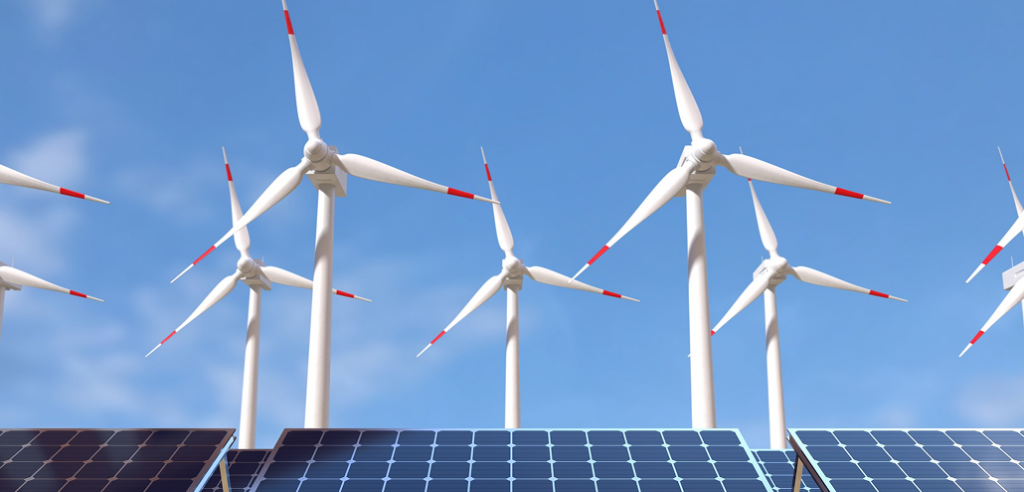
Rather than ranking brands, we’ll walk through what actually makes a system wind-ready: the certification it must carry, the structural and material specifications that matter, the foundation and tilt choices that reduce wind load, and the questions to ask any supplier before you commit. Score a system against these and you’ll know whether it belongs on a high-wind site, whatever the badge on it.
Key takeaway
- The best ground mount system for high wind is the one certified for your specific wind region under AS/NZS 1170.2, not one with a generic “wind resistant” claim.
- Cyclonic zones (Regions C and D) subject the structure to repeated low-high-low cyclic loading, which demands site-specific certification and fatigue-aware design.
- Material and fastener grade matter as much as structure: a system that corrodes loses the strength it needs to resist wind years into its life.
- Foundation flexibility and the right tilt angle are the two levers that reduce the wind load a system has to resist in the first place.
- A wind-ready ground mount system is proven on paper: engineering tables, certification letters, and documentation for your site’s exact conditions.
Why high wind is unforgiving on ground mount systems
A ground mount array is a large, flat surface held off the ground, which is to say it’s a sail. In a high wind event the dominant force isn’t the wind pushing down, it’s uplift pulling the array off its foundations, and that uplift can be far greater than the weight the structure was built to carry. In high-wind zones, uplift pressures on tilted panels can exceed 2,000 Pa, which is exactly why engineering codes require site-specific wind calculations rather than generic values.
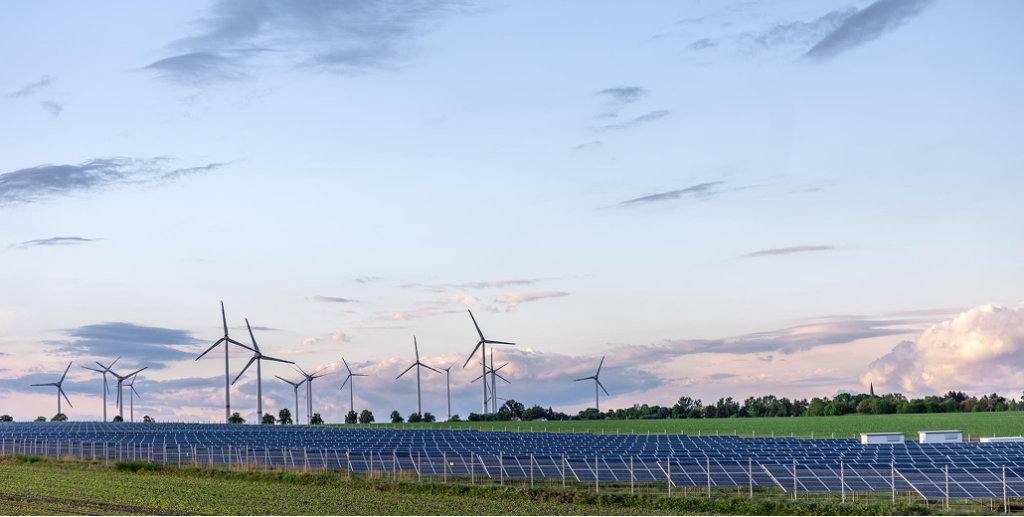
Cyclonic regions add a second problem: fatigue. Cyclonic zones subject the structure to repeated low-high-low (LHL) cyclic loading, where the wind load builds, peaks, and drops again thousands of times during a single event. A connection that would survive a single peak load can still work loose and fail under that repeated cycling. This is why a system genuinely built for cyclonic conditions is engineered differently from one that merely survived a wind-tunnel test once. If you want the full picture of where and why systems give way, our guide to ground mount solar system failures in high wind zones walks through each failure point along the load path.
The six criteria that define a wind-ready ground mount system
Score any system against these six criteria before quoting a high-wind project. A system that can’t satisfy all six isn’t the best solar ground mount system for the site, whatever its price.
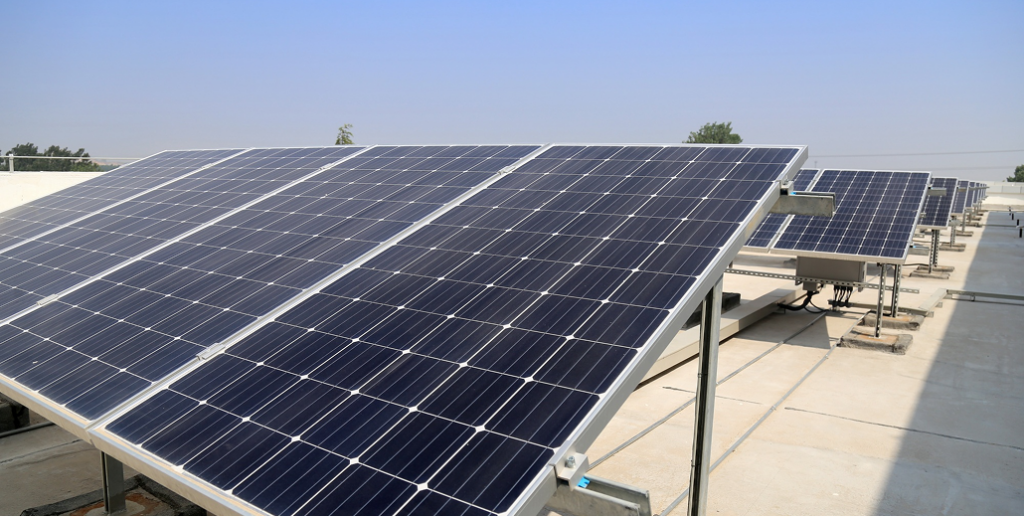
1. Certification for your specific wind region
This is the non-negotiable first filter. Every ground mount system in Australia must be designed to AS/NZS 1170.2, which divides the country into four wind regions. The gap between them is large, and a system certified for Region A is not valid on a Region C or D site.
| Wind region | Design gust (approx) | Where | What the system must prove |
|---|---|---|---|
| A | ~43 m/s | Most inland and temperate Australia | Standard certification |
| B | ~52 m/s | Parts of SE QLD, northern NSW | Standard certification, higher loads |
| C (cyclonic) | ~64 m/s | Northern coastal, to ~100 km inland | Site-specific certification; cyclic-load rated |
| D (severe cyclonic) | ~79 m/s | WA coast, Carnarvon to Pardoo | Site-specific certification; highest spec |
The test for a supplier is simple: can they provide engineering documentation certifying the system for your site’s exact wind region, terrain category, and topography? A generic brochure claim of “cyclone rated” is not certification. Regions C and D require site-specific engineering signed by a registered engineer. If the documentation doesn’t exist for your site’s conditions, the system fails the first and most important criterion.
2. Structural material that keeps its strength under load
A wind-ready structure needs material that is both strong enough to resist the load and durable enough to keep that strength for 25 years. For ground mount in high-wind conditions, steel is generally preferred because its higher stiffness allows longer spans under high wind loads, which also means fewer posts and lower foundation cost. But raw strength is only half the equation. On coastal high-wind sites, the structure faces a compound challenge: maximum wind loads and marine corrosion attacking the same steel at the same time. A system that corrodes at the cut edges and connections loses section, and therefore loses the strength it needs to resist wind, years before its design life is up.
This is where coating matters as much as the steel itself. Zinc Aluminium Magnesium (ZAM) coated steel offers significantly better corrosion resistance than standard galvanised steel, including at cut edges and perforations where galvanised steel typically fails first. On a high-wind coastal site, that corrosion resistance is a structural specification, not a nice-to-have, because it protects the strength the structure relies on.
3. Fastener grade matched to the environment
Fasteners are the most commonly under-specified part of a high-wind system, and they sit at exactly the points where load concentrates. The industry benchmark is clear: SUS304 stainless steel is adequate for inland, non-coastal sites, while SUS316 is the minimum recommended for coastal projects. A system using cheaper fasteners to hit a price point is building in a failure point exactly where a high-wind site can least afford one. Ask any supplier what grade their fasteners are and where they’re rated to be used.
4. Foundation flexibility to match the site
The foundation is where all the wind uplift is ultimately resisted, and the right foundation depends entirely on the site’s soil. A system that offers both ground screw and concrete ballast foundations as standard lets the installer match the foundation to the ground rather than forcing a compromise at the most critical point in the structure. On high-wind sites specifically, foundations often need deeper embedment to resist overturning, so a system that supports both approaches gives the engineer the options to hit the required uplift resistance whatever the soil provides. A ballasted ground mount solar racking approach suits sites where piles can’t be driven, while ground screws generate uplift resistance by engaging the surrounding soil.
5. The right tilt angle for the wind
Tilt angle is a lever that directly changes how much wind load the structure has to resist. A steeper tilt catches more wind and generates more uplift; a lower tilt reduces the load. In a high-wind region, an adjustable solar ground mount lets the installer dial the tilt down to reduce structural demand, trading a small amount of annual yield for a meaningful reduction in wind load. A fixed tilt ground mount solar system that offers a usable adjustment range (the Nova Ground Mount System spans 10° to 30°) gives the installer that control, where a single-angle system locks it away.
6. Engineering support behind the product
The best solar ground mount system comes with a technical team that can produce the documentation your project needs: wind-region certification, load tables, foundation specifications, and site-specific sign-off. On a high-wind project this support is worth more than any saving on hardware, because the certification gap is what gets projects rejected at council or disputed at insurance. A supplier that can’t support the paperwork for your wind region shouldn’t be on the shortlist.
Nova’s field notes: we built the Nova Ground Mount System to pass this checklist
We didn’t design the Nova Ground Mount System to win on price. We designed it to pass exactly the checklist above. It’s built from Zinc Aluminium Magnesium coated steel so the structure keeps its strength in coastal and humid conditions where wind and corrosion attack together. It offers both ground screw and concrete ballast foundations as standard, so the foundation can be matched to the site’s soil and the required uplift resistance. The rear brace support is engineered to transfer wind uplift and overturning loads into the foundations, and the adjustable 10° to 30° tilt lets installers reduce wind load on exposed sites.
Most importantly, our technical team provides the engineering documentation each project needs for its specific wind region. We’d rather an installer score our system against the six criteria above and choose it on merit than take a marketing claim on faith. That’s what “less is more” means to us: fewer weak points, proven on paper.
Matching the system to the project
The wind region sets the floor for what a system must prove, but project scale shapes the decision too. A small rural ground mount racking array in Region A and a multi-megawatt commercial project in Region C are both ground mounts, but the second carries far more structural risk simply because there’s more surface area catching the wind and more connection points to certify. As projects scale up, the certification burden and the cost of getting the specification wrong both grow. Our guide to commercial ground mount solar systems covers how the structural and foundation decisions change as the project gets bigger.
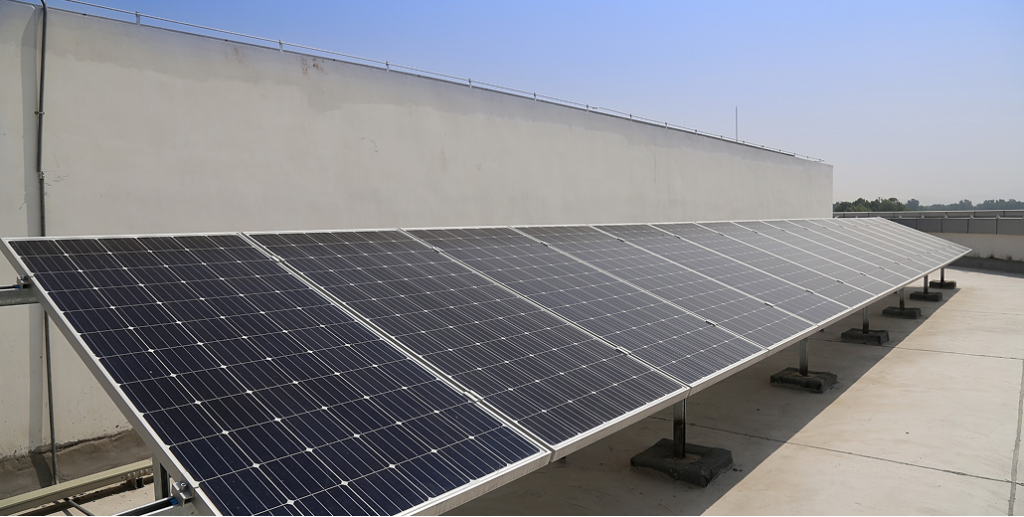
The quality of ground mount solar racking systems also shows up differently at scale. On a small array, a slightly over-built system costs a little more. On a large one, the same choice multiplies across hundreds of posts and foundations, so getting the specification exactly right, strong enough for the wind region but not needlessly over-engineered, has a real bottom-line effect. For how that plays out in dollar terms, see our guide to ground mount solar cost for installers.
Questions to ask any supplier before you quote a high-wind site
If you take one practical thing from this guide, make it this list. Put these questions to any supplier before you put their system on a high-wind quote.
- Can you provide engineering certification for my site’s specific wind region and terrain category under AS/NZS 1170.2?
- For a Region C or D site, can you provide site-specific certification signed by a registered engineer?
- What grade of steel and what coating do the structural members use, and how do they perform at cut edges in coastal conditions?
- What grade are the fasteners, and are they rated for coastal use?
- Does the system support both ground screw and concrete ballast foundations?
- What tilt range does the system offer, so I can reduce wind load on exposed sites?
- Will your engineering team support the foundation design and documentation for my specific site conditions?
A supplier who can answer all seven with documentation, not assurances, is offering a system worth quoting. One who can’t is asking you to carry the risk.
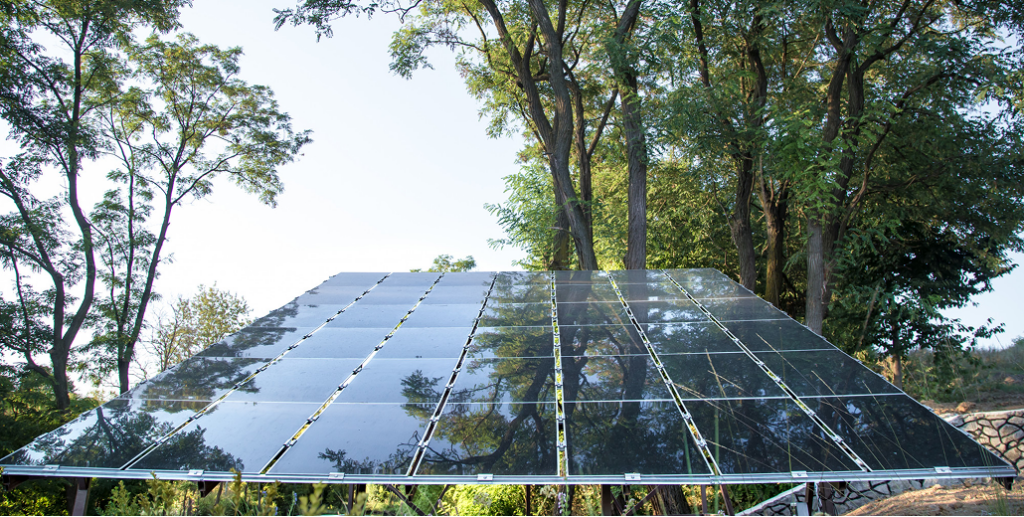
Nova’s field notes: “cyclone rated” on a brochure is not certification
The phrase we’d most want installers to be sceptical of is “cyclone rated” printed on a product brochure with nothing behind it. A genuine cyclonic-zone system comes with engineering documentation for the specific site: wind region, terrain category, topography, and a registered engineer’s sign-off. A marketing claim is not a substitute, and in our experience it’s exactly the gap that surfaces after a wind event, when the council or the insurer asks for the certification that was never produced.
When you’re comparing systems for a Region C or D project, ask for the documentation up front and treat its absence as a disqualifier. The supplier who hands it over without fuss is the one who built for the conditions. The one who talks around it is hoping you won’t ask twice.
Build wind-ready ground mount projects with Nova
At Nova, we’ve spent more than 15 years designing solar mounting systems that hold up in real Australian conditions, including the high-wind and cyclonic zones where the margin for error is smallest. The Nova Ground Mount System is built around our “less is more” philosophy: fewer components, greater engineering spans, single-bolt rail clamps, module clamps with integrated earthing pins, and a rear brace support engineered to transfer wind uplift into the foundations. It comes in Zinc Aluminium Magnesium coated steel for corrosion resistance that protects structural strength, supports both ground screw and concrete ballast foundations, and offers adjustable tilt from 10° to 30° to manage wind load. It’s snow load rated, structural stability tested, corrosion resistance tested, backed by a 25-year warranty, and supported by a technical team that provides the wind-region documentation your project needs.
Whether you’re quoting a Region A rural array or a cyclonic Region D commercial project, speak to the Nova technical team for wind-region-specific engineering support, or explore the NOVA Ground Mount System specifications in detail.
Frequently asked questions
What makes a ground mount solar system suitable for high wind regions?
Three things, in order: certification for the site’s specific wind region under AS/NZS 1170.2, structural material and fasteners that keep their strength in the local environment (which on coastal sites means corrosion-resistant steel and SUS316 fasteners), and a foundation matched to the soil to resist wind uplift. A system that satisfies all three, with documentation to prove it, is suitable. A generic “wind resistant” claim is not enough.
Is steel or aluminium better for a high-wind ground mount?
For ground mount in high-wind conditions, steel is generally preferred because its higher stiffness allows longer spans and fewer posts under heavy wind load, which also lowers foundation cost. Aluminium is lighter and naturally corrosion-resistant but needs larger sections for the same span. The key in high wind is that whichever material is used, it must be specified for both the structural load and the site’s corrosion environment, since corrosion erodes the strength the structure needs to resist wind.
Do I need special certification for a cyclonic-zone ground mount?
Yes. Regions C and D under AS/NZS 1170.2 require site-specific engineering certification, typically signed by a registered engineer. A generic Region A or B layout drawing is not valid in cyclone territory and cannot be submitted to a council there. Always confirm the supplier can provide this documentation for your exact site before quoting a cyclonic-zone project.
Does a lower tilt angle make a ground mount more wind-resistant?
Generally yes. A steeper tilt presents more surface to the wind and generates more uplift, while a lower tilt reduces the wind load on the structure. On high-wind sites, choosing a lower tilt within the system’s range can meaningfully reduce structural demand, usually at a small cost to annual yield. An adjustable system lets the installer make that trade-off deliberately for each site.
What is the best ground mount solar system for coastal high-wind sites?
The best system for a coastal high-wind site is one certified for the site’s wind region that also resists marine corrosion, because on the coast wind and corrosion attack the structure together. That means corrosion-resistant coated steel (such as ZAM) for the structure, SUS316 stainless fasteners, a foundation matched to the soil, and full engineering documentation for the site. The Nova Ground Mount System is built to meet these requirements, with ZAM-coated steel, foundation flexibility, adjustable tilt, and wind-region engineering support.