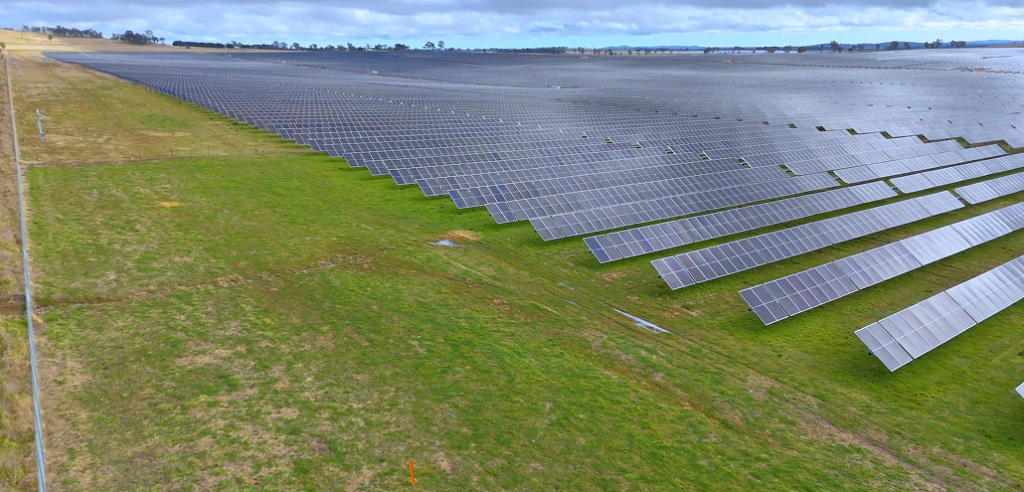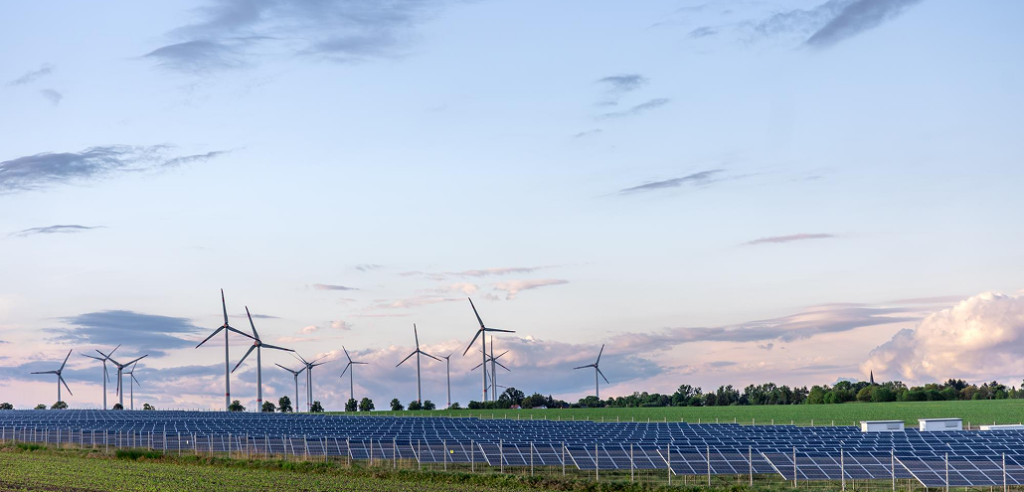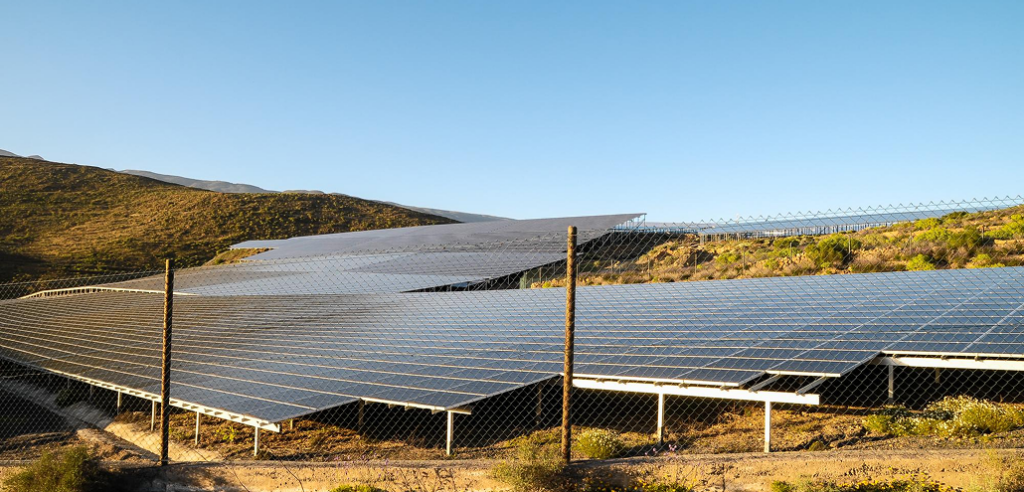
Solar carport installation is growing in Australia’s market, especially as people shift to green energy. According to Grand View Research, “The solar carport market in Australia is expected to reach a projected revenue of US$ 70.0 million by 2033. A compound annual growth rate of 13.3% is expected of Australia solar carport market from 2025 to 2033.” This growth shows that a lot of people are setting up solar carports both for commercial and personal use.
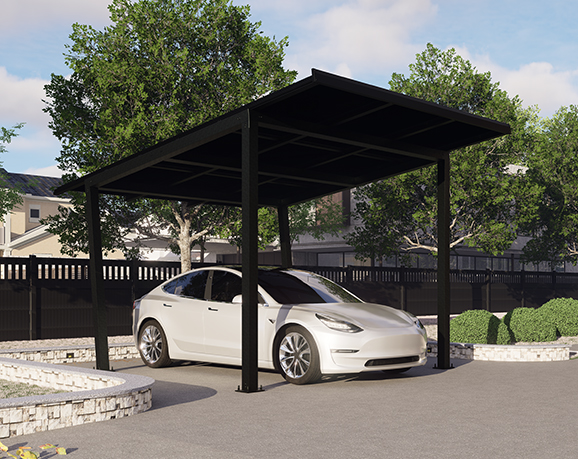
This massive shift has brought about strict policies and standards that everyone planning to set up a solar carport is expected to know and adhere to. These policies not only ensure the smooth and effective operation of solar carports but also reduce the risk posed by poor carport canopy installation.
Key Takeaways
- Solar carport installations must comply with Australian standards, safety requirements, and building codes.
- Accurate site planning is essential, as layout, wind region, and ground conditions all affect the final design.
- Unlike rooftop solar, solar carports are standalone structures, so structural accuracy is critical from the start.
- Reliable mounting systems can help installers reduce risk, improve efficiency, and deliver a more durable result.
- The best way to reduce installation risk is through good planning, compliant design, and careful execution.
How to Reduce Risk in Solar Carport Installation
Technical policies and standards have been established for both commercial and residential solar carport installations. Adhering to these ensures a well-designed solar carport structure.
Australian Standards for Safe Solar Installation
The Australian Government Business Licence and Information Service made it clear that all solar (photovoltaic) systems must follow these standards. In a statement, it emphasised that “A renewable energy certificate will only be given where a written statement is provided by the installer of the unit that the installation complies with the following standards.” These standards are listed below:
- AS/NZS 5033:2021: Installation and safety requirements for photovoltaic arrays
- AS/NZS 3000:2018: Electrical installations (Wiring Rules)
- AS/NZS 4777: Grid connection of energy systems via inverters
- AS/NZS 4509: Stand-alone power systems safety
- AS/NZS 5139: Safety of battery energy systems
Accreditation Requirements for Installers
All solar carport installations are expected to be done by professionals. The Clean Energy Regulator, a body in charge of renewable energy in Australia, made this clear: “Only trained, licensed and accredited installers can complete or supervise battery installations.” All installers must be accredited by Solar Accreditation Australia and must also use approved solar products listed by the Clean Energy Council (CEC). Nova provides qualified products and works with skilled staff who are fully accredited and trained.
Workplace Safety Regulations for Solar Installation
Before accepting a carport or carport canopy installation project, it is important to know your duties as a solar retailer and installer. According to SafeWork NSW, “Solar retailers and solar installers have shared WHS duties, including to keep their workers and others (such as the clients, the public and home-owners) safe.” This knowledge allows you to execute your task effectively when setting up a Solar Carport.
Australian Building Code and Structural Compliance
Solar carports are building structures. Hence, they must comply with the national building codes. This means all solar carport construction must meet all the requirements of the National Construction Code (NCC) and structural engineering requirements.
What Installers Need to Know Before Installing a Solar Carport
Solar carport installation is not necessarily more complex than rooftop solar, but it requires a different approach. Instead of working around an existing roof, installers are building a complete structure from the ground up, which means accuracy in planning and layout becomes critical.
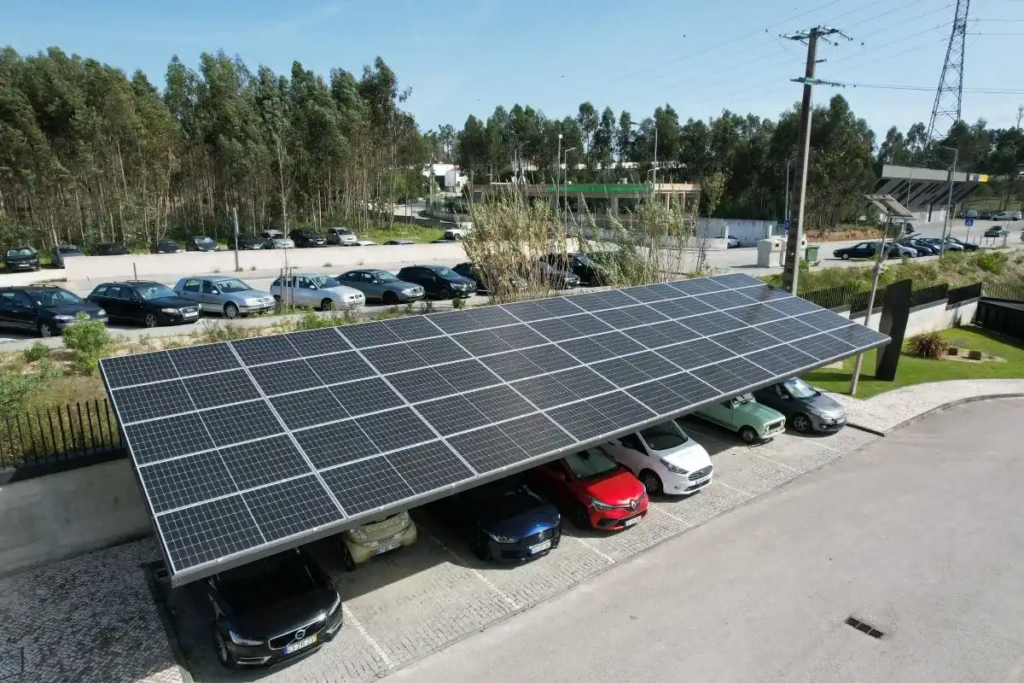
Site Conditions Will Determine System Design
Before any installation begins, a thorough site assessment is essential. Unlike rooftop solar, where the structure already exists, a solar carport must be designed around the ground conditions and layout of the site.
Installers need to evaluate:
- Available parking space and traffic flow
- Required vehicle clearance heights
- Local wind region and environmental exposure
- Soil conditions and ground stability
These factors directly influence structural design, foundation type, and system layout. Errors at this stage can lead to redesigns, permit delays, or structural inefficiencies later in the project.
Solar Carports Are Engineered Structures, Not Just Mounting Systems
A key difference from rooftop installations is that solar carports are standalone structures. They must support their own weight, in addition to wind loads and environmental forces, without relying on an existing building.
This means installers must work within strict engineering requirements, including:
- Compliance with the National Construction Code (NCC)
- Structural certification for load-bearing components
- Wind load calculations based on regional standards
Unlike rooftop systems, there is very little room for adjustment on-site. Structural components must be installed exactly as designed to ensure safety and compliance.
Foundation Planning Affects Installation Accuracy and Stability
The foundation stage sets the base for the entire solar carport system, so installers need to get it right from the beginning. The exact fixing method will depend on site conditions, engineering requirements, and the carport’s structural design.
Common foundation approaches include concrete footings and ground screw systems, with the right choice determined by factors such as soil conditions, load requirements, and installation efficiency. While the fixing process itself is often straightforward, accuracy is critical. If the foundations are set out incorrectly, it can create alignment issues across the rest of the structure and slow down installation.
For installers, the key is not just choosing the right foundation type, but making sure the layout, spacing, and fixing points match the engineered design before assembly begins. That early accuracy helps avoid rework, improves installation speed, and supports the long-term stability of the finished carport.
Electrical Integration Requires Careful Execution
Once the structure and panels are installed, the electrical system must be integrated safely and correctly. This includes:
- Cable routing and protection from environmental exposure
- Inverter placement and system configuration
- Testing, inspection, and commissioning
Installers must ensure that all electrical components comply with Australian standards and are properly protected from weather, physical damage, and long-term wear.
Why Should Installers Choose Reliable Mounting Systems
For installers, the mounting system plays a major role in the overall success of a solar carport project. A well-engineered system can make installation faster, more predictable, and easier to manage on site, while also supporting the long-term durability of the finished structure. This is why many professional installers prefer reliable, pre-engineered mounting solutions that reduce unnecessary complexity without compromising structural performance.
Choosing the right system can improve workflow on-site while giving clients greater confidence in the performance and longevity of the final solar carport installation.
Frequently Asked Questions (FAQ)
What Is the Difference Between Commercial and Residential Solar Carport Installation?
Basically, the difference lies in the system scale, structural design, and regulatory requirements. Commercial solar carport installation covers a large parking area and requires a more complex structural engineering with higher electrical capacity compared to a residential solar carport installation that is usually smaller and designed to cover one or two cars. The residential requires fewer components and has a lower electrical capacity, usually for housing with small household appliances.
How Can Installers Reduce Risk During Solar Carport Installation?
To reduce the risk as an installer during installation, all relevant Australian standards, building regulations, and workplace safety measures must be adhered to. Another step is to use tested and certified mounting systems that can withstand loads and environmental stress over time.
What Risks Can Occur During Solar Carport Construction?
There are several risks that may occur as a result of the use of low-quality materials or unskilled labour. Some of these risks include: structural instability, electrical faults, low performance from the solar panels, fire outbreak, fines from the government or mandatory removal, panel detachment during extreme weather etc.