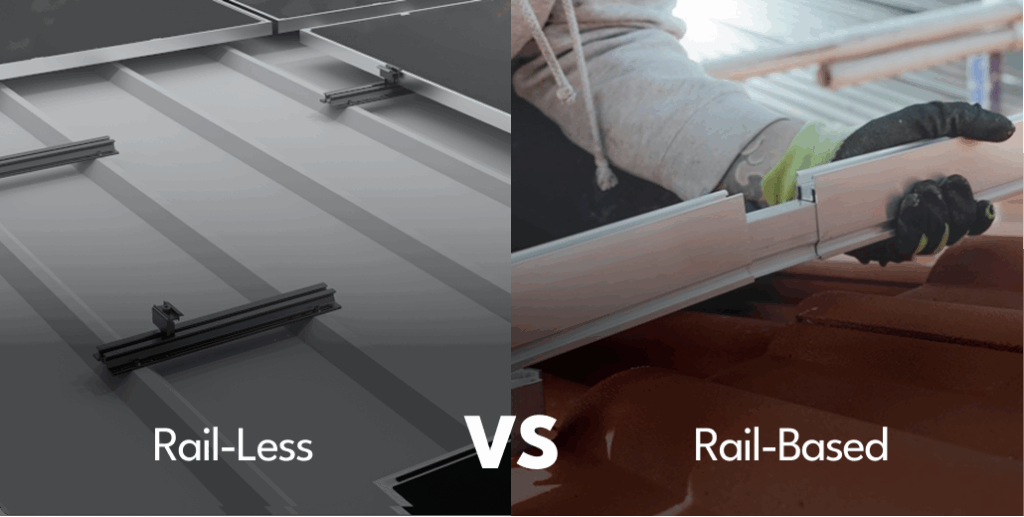
How Much Does a Solar Racking System Cost in 2026
The National Renewable Energy Laboratory (NREL) published the average solar racking systems cost at $0.10 per watt. In Australia, this cost has an outsized impact on installation speed, approvals, safety, and long-term durability. As a result, the best solar racking system is increasingly viewed as a comprehensive installation and engineering tool, rather than just a mounting frame. That’s because choosing professional solar racking can directly influence labour efficiency and long-term stability, which ultimately shapes total solar system cost.
We must boldly spell out that the cost of a solar racking system does not follow a one-size-fits-all approach.
Key Takeaways
- Solar racking costs $0.1 per watt, which represents roughly 3% of the total installation cost. However, most times, it depends on several factors like roof complexity and access, wind region, and installer workflow efficiency.
- Cheap racking is not always the best option as it often backfires in the long run.
- Pro/premium racking saves money and reduces labour and maintenance.
- For complex or commercial installs, premium is the best option to go with.
- Choose the best system for your project with respect to your roof type, wind speed, and lifecycle expectations.
How Solar System Costs Are Measured in 2026
The pricing of solar in Australia is based on a cost per watt ($/W) model, which is a simple yet effective tool in measuring the cost of solar systems. The cost per watt is calculated by dividing the fully installed cost of the solar system by the DC capacity of the photovoltaic array. Based on our experience in this industry, we discovered the following estimates are factual:
- The National Solar Choice Price Index shows that the cost of residential solar systems varies from $0.93 to $2.4 per watt within the last decade.
- Commercial solar systems, on the other hand, are likely to have a lower installed cost per watt (between $0.85 to $2) because of the economies of scale and the ease of installation.
The estimates above include hardware, labour, and engineering costs, making it a more realistic measure of the cost of a solar system.
Average Solar System Cost Per Watt in 2026
We can say that the average solar cost in Australia is $1.6 per watt of solar installed. Therefore, a 100 kW solar panel system costs $160,000 before tax or tax credit is calculated. As seen in the table below, the cost per watt is discounted based on the total watt purchased.
| System Size | Total cost | Cost per watt |
| 4 kW | $12,760 | $3.19 |
| 5 kW | $15,000 | $3 |
| 6 kW | $16,920 | $2.82 |
| 7 kW | $17,990 | $2.57 |
| 8 kW | $18,800 | $2.35 |
| 9 kW | $19,350 | 2.15 |
| 10 kW | $20,000 | 2.00 |
Solar System Cost Breakdown Explained
Here’s how the major components stack up:
Solar Panels and Inverters
Panels continue to be the largest hardware cost item, even though their impact has been reduced due to competition and rebates. For a typical residential solar system (e.g., ~4-10 kW), its prices vary widely depending on factors such as brand, energy capacity, and size of the system. The installed prices typically vary from $7,000 to $16,000+.
Inverters in string, hybrid, or microinverter configurations also contribute to a mid-range hardware cost.
Labour Costs
Labour is now one of the largest contributors to the total solar system cost. On a typical job, labour, including installation, certification, commissioning, and site cleanup, can represent a significant portion of the total installed figure. But highly engineered solar racking systems can reduce labour costs by simplifying installation tasks and reducing iterative adjustments. Basically, installers increasingly favour pro solar racking because it stabilises labour, while increasing panel efficiency. Labour costs are influenced by:
Rooftop pitch and height
Steeper roofs make labourers work harder, so they charge more and increase the total cost, while taking more time. Additionally, higher roofs can incur extra fees due to additional equipment and safety regulations, as well as the time taken to bring materials up to the roof.
Roof material and risk level
The roof material dictates the time, specialized skills, and safety measures a technician must adopt when installing solar panels. Asphalt/composite shingles are the cheapest to work on, while tile and slate roofs are expensive since they are fragile.
Local safety regulations
Stringent local regulations can increase the total installation time and specialized equipment demands of your solar project. This, in turn, increases the total cost significantly.
Installer experience
Highly experienced solar installers in Australia often charge more hourly rates than usual. While this can reduce the cost of errors, it may bump up the total cost of installation by a large percentage.
Racking Systems
A good racking solution can reduce the labour time required on the roof, lower engineering consultancy fees, and simplify certification requirements. Solar racking itself usually represents only a small slice of total solar ranking system cost, typically around $0.1 per watt for standard residential and commercial rooftops. This is why many installers now prioritise the best solar racking system rather than the cheapest option. The racking system also influences:
- Engineering calculations
- Compliance documentation
- Installation workflow
- Safety exposure
- Future maintenance
How Much Does Solar Racking Usually Cost Per Watt
While the hardware itself may be a small cost, the solar racking system falls at $0.1 per watt, and its true impact on project cost is magnified through labour and compliance. The typical solar racking system cost is influenced by several project variables.

These variables include:
- Roof material: Metal roofs often have quicker clamp and rail installs, while tile roofs require flashings and additional structural considerations.
- Mounting method: Penetrative mounts vs ballasted or hybrid systems have different labour and materials requirements.
- Wind region (Based on the AS/NZS 1170.2): Higher design wind loads and uplift requirements increase structural demands.
- Corrosion classification: Coastal environments near salt air require higher-grade materials or coatings.
- Engineering documentation: Systems that include certified design packs and load tables reduce engineering fees.
Cheaper Solar Racking Can Increase Total System Cost
Cheaper racking reduces upfront solar racking cost, but often increases total solar system cost through hidden inefficiencies. While the upfront material price is lower, the hidden costs usually appear during installation, compliance checks, and long-term operation. This is where many projects lose money. Their deficiencies are below:
| Issue | What Happens With Cheaper Racking | Cost Impact |
| Slower installs = higher labour cost | Extra measuring, cutting, and manual adjustments slow installers down | More labour hours on site, higher installation cost, and delayed project completion |
| More fixings = more time | Additional bolts, clamps, and brackets are needed to reach the structural strength | Longer installation time and higher risk of missed or incorrectly torqued fixings |
| Complex alignment = higher risk | Limited tolerance for uneven roofs and layout changes | Greater chance of alignment errors, failed inspections, and performance issues |
| Callbacks and rework | Racking loosens, shifts, or corrodes over time | Repeat site visits increase labour, transport, and maintenance costs |
Professional Solar Racking Can Save Money Long Term
High-quality or pro solar racking helps control costs across the life of a solar system. Well-designed systems install faster, use fewer components, and reduce labour hours on site. In countries like Australia, where labour is a major cost, quicker installation delivers immediate savings.
High-quality racking also improves safety. Lighter materials and smarter designs create safer workflows on roofs. This lowers the risk of injuries, delays, and compliance issues. Fewer parts also mean fewer installation mistakes and call-backs.
Longer design life is another key benefit. Premium racking uses corrosion-resistant aluminium and stainless steel fixings, which perform better in extreme heat, UV exposure, and coastal conditions. This reduces maintenance needs and avoids early replacement. It is among the reasons why the best solar racking system acts as a cost stabiliser, not just a mounting solution.
Is Premium Solar Racking Worth the Investment?
We think premium solar racking systems are worth the investment, but you should be guided by your needs and risk level. Despite a greater upfront cost, they provide long-term benefits, especially in commercial projects. Here’s the balanced view on the benefits and limitations of premium solar racking systems, cost, and when they might be the best choice, and when they might not be.
Most Commercial Solar Installs
Most commercial solar projects aim at producing kW above 30-100 kW; therefore, a premium solar racking system is the best option for these types of users. That’s because premium racking systems are usually easier to install, and bigger projects like commercial solar installations will be able to best capture the value of faster installs. Its benefits include:
- Durability: Premium solar racking systems come with better materials and design, providing better resistance to extreme weather, like long summers, salt spray from the sea, and strong winds.
- Reduced Maintenance Risk: It provides reduced risk of failures due to stronger engineering, especially in the long term, as it can operate well in extreme conditions. In fact, premium solar racking systems can operate well for 25+ years.
Let’s take a practical example:
For a 100 KW system, which might be in the range of $10,000 to $20,000 ($0.10 to $0.20/W), a premium racking system might cost 15-30% more ($12,500 to $26,000). However, if a premium system speeds up the installation process by 2-4 days, it can reduce labour costs by 30%. When we consider this reduction for a minimum labour cost of $0.3/W, we have a cost savings of $3,500 to $6500, respectively.
Take note: This calculation does not factor in the compliance and site risks that would be involved for the extra days of labour.
Complex Roofs or Harsh Sites
Roof type, wind region, installer experience, and labour constraints further drive home the need for premium racking systems. Especially in countries with harsh climates, pro solar racking with certified engineering and corrosion-resistant materials often delivers the lowest long-term cost. In a nutshell premium racking system is better than a regular system in the following areas:
- Adaptability and flexibility: Premium systems offer adjustable mounts and engineered solutions for odd roof angles or penetrations.
- Wind compliance: In high wind regions (AS/NZS 1170–2 zones C & D), strong attachments reduce the risk of lift-offs.
In these cases, cheaper racking may require custom fixes or retrofits, adding labour and risk that often outweigh initial savings.
Simple, Low-Risk Installs
In small residential systems on simple roofs in moderate climates, premium racking systems may not be as important. This is because of the following reasons:
- Lower system complexity: Most residential projects involve fewer labour requirements, but greater efficiency.
- Shorter payback pressure: For residential systems, the focus on first-year ROI often means that lower upfront costs can outclass longer-term benefits.
Choosing the Best Solar Racking System for Your Project
Choosing the right solar racking system is critical to the success of your project. It affects installation speed, structural safety, and long-term system performance.

The best choice depends on real factors like:
Roof Type
Australian homes use metal, tile, and concrete roofs more than shingles. Each roof type needs a specific mounting method. For instance, our NOVA tin roof mounting system often uses clamp systems to avoid the roof penetration, while our NOVA standard tile roof mounting system adopts flashed mounts to prevent leaks. Poor roof matching is a common cause of water damage in most project installs.
Wind Region
Australia has strict wind requirements under AS/NZS 1170 standards. This is so because coastal areas and cyclone zones (C and D) face extreme uplift forces. This makes NOVA’s adjustable tilt mounting system and NOVA’s A-frame tilt mounting system ideal since they are certified for most wind classifications. Meanwhile, extra fixings are often required in northern and coastal regions because it protects panels during storms and cyclones.
Installer Experience
Solar installers must follow Clean Energy Council (CEC) guidelines. With regard to this, some racking systems are designed to speed up compliant installs. Simple systems reduce errors during CEC inspections, while complex systems require experienced crews to meet local rules. The installer’s familiarity also lowers rework and compliance risks.
Labour Constraints
Labour costs are high in third-world countries. Hence, faster installation saves money, and lightweight aluminium solar racking systems reduce handling time. This is where Nova’s Roof Solutions becomes pivotal to your project, and depending on your preference, they have various product lines for easier solar panel installation.
Lifecycle Expectations
Solar systems are expected to last 25 years or more, even in coastal areas facing corrosion from salt air. Therefore, marine-grade aluminium and stainless steel fixings are essential in racking installations. This is critical to solar panel mounting systems since it ensures that your system lasts for the expected 25 years.
Talk to Nova About Reducing Total Solar System Cost
The cheapest rack rarely delivers the cheapest system. Nova offers high-quality solar racking systems that help Australian solar projects reduce total solar system cost by optimising:
- Installation speed and safety
- Engineering compliance and documentation
- Labour efficiency
- Long-term durability and design life
If you’re evaluating solar racking cost in 2026 and want to understand how labour, engineering, and lifecycle value interact, Nova’s team can help you assess the right solution for your project.
Frequently Asked Questions (FAQs)
How Much Does Solar Racking Increase the Total Installed Cost?
In 2026 Australia, solar racking typically adds around $0.08–$0.15 per watt, representing a small portion of the total installed cost, but with outsized effects on labour and compliance.
Why Is Cost Per Watt Used for Solar Pricing?
Cost per watt ($/W) includes panels, inverters, labour, engineering, compliance, and overhead; it more accurately reflects the real economics of solar installs than simple hardware pricing.
Do Installers Factor in Engineering Documentation Cost?
Yes. High-quality engineered racking systems include documentation that reduces approval and consultancy fees, saving time and money.
Is Premium Racking Worth It for Small Homes?
For simple installs in low-wind areas, well-engineered standard systems may suffice, but premium systems can still reduce labour and compliance risk. Premium quality Nova solar racking systems come with a warranty of 25 years to give you peace of mind for decades.