When you are planning a solar installation, the roof of your home or office is usually the first place you look. However, solar carports are rapidly becoming the preferred alternative for those with limited roof space, heritage-listed buildings, or a growing fleet of electric vehicles to charge.
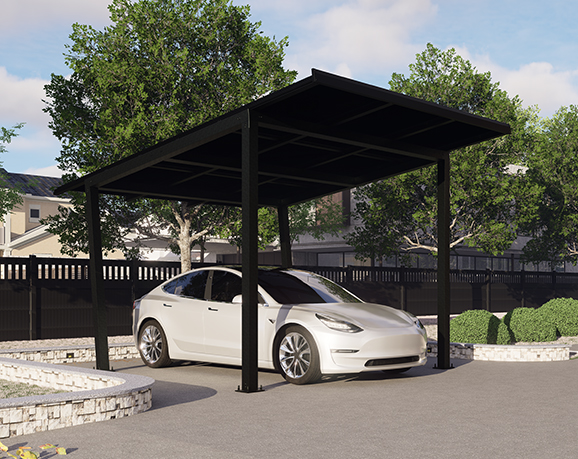
A solar carport system is not just a place to park; it is a purpose-built energy plant that turns an underutilized driveway into a high-yield asset. While panels often get the spotlight, the mounting structure is the “unsung hero” that provides the structural backbone for decades of power generation.
Choosing a solar carport structure involves more than just aesthetics; it impacts structural safety, water protection, and your long-term ROI. For most Australian property owners, choosing between a basic kit and a professionally engineered carport solar mounting system is the difference between a structure that lasts decades and one that buckles under environmental stress.
What do we mean by a “good” solar carport structure?
In the solar industry, a “good” structure is defined by its ability to balance material longevity with ease of installation. Unlike rooftop racking, a solar carport racking system must be self-supporting, meaning it has to manage its own weight plus the dynamic loads of wind and rain without the support of an existing building.
1. Structural integrity and wind loading
In Australia, solar carports are generally classified as Class 10a structures. This means they must be engineered to meet specific Australian Standards for wind loads. A high-quality structure should be designed with the highest regional wind speeds in mind—a requirement emphasized by SafeWork NSW to ensure the safety of both the installers and the public. To understand the engineering requirements in depth, you should evaluate what makes a good solar carport structure.
H4: Key features to look for include:
- Pre-engineered upright supports that come pre-assembled with base plates for swift and effortless installation onto foundations.
- Heavy-duty materials such as hot-dip galvanized steel or premium aluminum to prevent corrosion in harsh coastal environments.
- Verified compliance with regional safety standards to mitigate the risk of structural failure during extreme weather events.
2. “Zero Railing” systems
Modern innovation has led to the development of “Zero Railing” systems, which remove traditional long aluminum rails to reduce material costs and weight. This shift doesn’t just lower the price point; it streamlines the entire build. By utilizing pre-punched structural purlins, these systems can achieve installation speeds up to 30% faster than traditional rail-based setups.
3. Water protection
A common failure in entry-level solar carports is water leakage between the panels. A premium system should feature an integrated water gutting system. This ensures that rainwater is captured and drained properly, protecting your vehicle and allowing the space to be used for alfresco activities even during a downpour.
4. Solid foundations and footings
The foundation is the most critical safety component of the entire build. According to the ACT Government’s feasibility analysis, a robust structure will utilize either bored piers or screw piles depending on specific soil conditions. These footings must be engineered to counteract “uplift” during high winds, ensuring the structure remains anchored even when the panels act like a giant sail.
These are the key differences between residential and commercial solar carports
The primary difference between residential and commercial solar carport systems lies in scalability and site-specific utility. While both serve the same fundamental purpose—energy generation and vehicle protection—the engineering requirements shift as the footprint expands.
Residential carports:
For homeowners, a residential solar carport often doubles as an outdoor living space. These systems are typically designed for single or double car spaces and focus on portrait orientation and modular scalability.
Commercial carports:
A commercial solar carport is often part of a larger institutional strategy to reduce operating costs. The U.S. EPA’s Green Power Partnership highlights that university and commercial sites use these structures to turn parking facilities into renewable electricity plants. Large-scale sites like IKEA or Westfield Belconnen utilize commercial solar carport structures to provide shaded premium parking while integrating EV charging directly into the support columns.
What to plan for when you get a solar carport installed
Moving from a design on paper to a physical structure involves navigating local regulations and significant site preparation. Because these are tall, heavy structures, the solar carport installation phase carries more risk than a standard rooftop solar project.
1. Planning and permits
In many Australian jurisdictions, solar carports are subject to specific “Exempt Development” rules. Technical feasibility studies note that while some small structures may be exempt, most modern solar carports exceed standard height and area thresholds, meaning a building permit and structural certification are mandatory.
2. Site setup and high-clearance safety
Installation begins with a rigorous site setup. SafeWork NSW mandates that installers prioritize fall prevention using scaffolds and underground utility checks to avoid hitting electrical or water lines during footing excavation.
How to decide if a solar carport system is worth the investment
The decision to install a solar carport often comes down to the “levelized cost of energy.” While the upfront cost is higher due to the need for a self-supporting structure, the long-term benefits often outweigh the initial price tag.
1. Costs and ROI
A standard structure carries a higher material cost than rooftop racking, but the ROI is boosted by dual-purpose utility and property value. When calculating your solar carport system cost, remember that in Australia, these systems are eligible for Small-scale Technology Certificates (STCs), which can provide thousands of dollars in upfront rebates.
2. Longevity and maintenance
A “cheap” carport structure is often a liability. To ensure your structure lasts 25+ years, it must be built with materials designed for the Australian climate, such as hot-dip galvanized steel. Furthermore, carports are easy to access for electrical maintenance, which can improve energy yield by 5–10% through more frequent cleaning.
What did we learn?
The best solar carport system is one that doesn’t force you to choose between structural safety and energy efficiency. By opting for a system with verified wind-load compliance, “Zero Railing” technology, and integrated water protection, you are securing an asset that will provide clean energy and vehicle protection for decades.Whether you are a homeowner looking to maximize a small driveway or a business owner aiming to transform a parking lot into a revenue-generating asset, the structure is the most important part of the equation.
If you are considering a solar carport system, speak with the NOVA team to explore a structure engineered for long-term performance, safety, and installation efficiency.